

Vitamin Formulas · Educational Resource
Advanced Vitamin Formulas for Men's Daily Wellness
Selecting the right vitamin formula involves understanding how different micronutrients interact to support your body. At KA MASKIN AS, we break down complex men's vitamin formulas into understandable components — providing a clear picture of how vitamins and minerals for men contribute to overall health maintenance, whether you are filling nutritional gaps or optimizing your current diet.
Quick Reference
B-Complex & metabolic energy conversion
Fat-soluble vitamins A, D, E, K
Trace minerals: Zinc, Selenium, Copper
Synergistic nutrient pairings
Bioavailability & ingredient forms
Focus Areas
Continue Reading
Wellness JournalModule 01
B-Complex and Metabolic Support
The B-vitamin group is essential for converting food into usable energy. Formulas containing B6, B12, and Folic Acid are particularly important for men who lead high-stress or physically demanding lives.
Key Vitamins
B6 · B12 · Folic Acid · Biotin
Vitamin B6
Water-SolubleSupports the nervous system and helps maintain cognitive clarity throughout the day. B6 participates in over 100 enzymatic reactions, many tied to amino acid metabolism and neurotransmitter production. A balanced B-complex ensures your metabolism functions efficiently under both routine and demanding conditions.
Vitamin B12
Water-SolubleCentral to red blood cell formation and nerve tissue maintenance. B12 is primarily found in animal-source foods, making it a common gap for men who eat limited meat or follow plant-leaning diets. Choosing a formula that includes methylcobalamin — the active form — can improve how readily your body puts the vitamin to use.
Folic Acid
Water-SolubleWorks alongside B12 in cellular division and DNA synthesis. Folic Acid contributes to cardiovascular wellness by helping regulate homocysteine levels. When paired with B6 and B12 in a single formula, the three vitamins reinforce each other's metabolic roles — a textbook example of why men's vitamin formulas should be evaluated as a system, not as isolated nutrients.
Module 02
Fat-Soluble Vitamins: A, D, E, and K
These vitamins are stored in the body's tissues and play a long-term role in maintaining physical health. Because they accumulate rather than flush out daily, both dosage and timing matter — consuming them with healthy fats improves absorption significantly.
Vitamin A
Supports vision, skin integrity, and immune cell production. Retinol — the preformed version from animal sources — and beta-carotene from plants both contribute. Most balanced men's vitamin formulas include mixed carotenoids so the body can convert what it needs and store the rest.
Vitamin D
Especially relevant for men who spend significant time indoors. Supports bone density and immune function. D3 (cholecalciferol) is the form your skin produces from sunlight, making it the preferred supplemental form. We explain proper dosages and why pairing D with Vitamin K2 helps direct calcium to the right tissues.
Vitamin E
Acts as a powerful antioxidant, protecting cell membranes from oxidative damage caused by daily stress and physical exertion. Mixed tocopherols — rather than isolated alpha-tocopherol alone — deliver a broader protective spectrum and reflect how vitamin E occurs in natural food sources.
Vitamin K
Exists as K1 (phylloquinone, from leafy greens) and K2 (menaquinone, from fermented foods). K2 is the form that collaborates with Vitamin D to manage calcium distribution — guiding calcium into bones and away from soft tissues. This synergy is why we prioritize formulas that include both forms rather than K1 alone.
Module 03
Trace Minerals and Their Functions
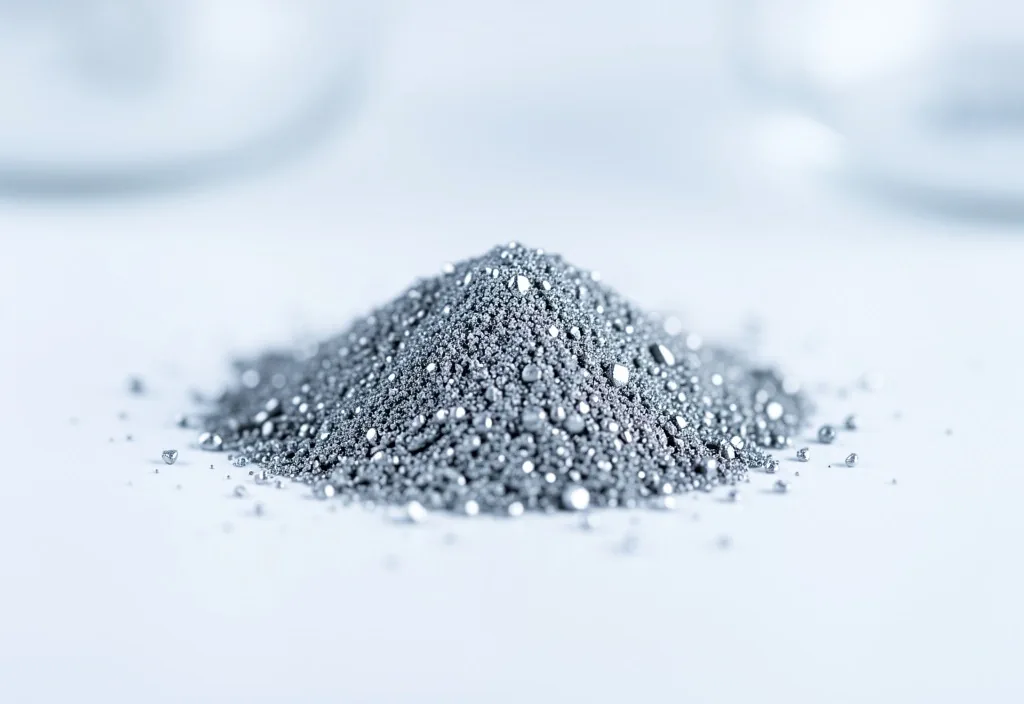
Minerals like Zinc, Selenium, and Copper are required in small amounts but are vital for numerous enzymatic reactions. Our guides help you identify which trace minerals are missing from your current dietary intake and how to source them through natural capsules for strength and vitality.
Zinc
Enzymatic CofactorA cornerstone of men's health support, playing a role in protein synthesis and immune defense. Zinc participates in over 300 enzymatic reactions and is especially relevant for men who train hard, as sweat and exertion increase losses. Picolinate and bisglycinate forms tend to be gentler on the stomach than zinc oxide.
Selenium
Antioxidant CofactorContributes to cellular protection and metabolic regulation. Selenium is a required component of glutathione peroxidase — one of the body's primary internal antioxidant enzymes. Soil selenium levels vary across Norway, meaning dietary intake can differ significantly depending on where your food was grown. Selenomethionine is the organic form most consistent with food-source selenium.
Copper
Enzymatic CofactorRequired in trace amounts for iron metabolism, connective tissue formation, and energy production. Copper and zinc exist in a delicate balance — supplementing high doses of zinc long-term can deplete copper, which is why well-formulated men's vitamin formulas account for this ratio rather than loading zinc alone.
Module 04
Synergistic Blends for Maximum Efficacy
Some vitamins work better when taken together. Vitamin D and Vitamin K2 collaborate to manage calcium distribution — D helps absorb calcium from food, while K2 directs that calcium into bones rather than soft tissues. Taking D without K2 is a common gap in many popular products for men, and it illustrates why we evaluate formulas as systems rather than nutrient checklists.
Our analysis of men's vitamin formulas looks for these synergistic pairings. We prioritize formulas that consider biological relationships — magnesium paired with B6 for nervous system support, Vitamin C alongside iron for absorption, or zinc balanced with copper — to provide the best possible results. Understanding these connections helps you avoid redundant or ineffective supplementation.
Pairing
Vitamin D + K2
Calcium distribution
Pairing
Magnesium + B6
Nervous system support
Pairing
Zinc + Copper
Mineral balance
Pairing
Vitamin C + Iron
Absorption support

Module 05
Bioavailability and Ingredient Forms

Not all vitamin sources are created equal. The form of a nutrient — not just its milligram count — determines how much your body can actually use. A formula listing 50 mg of magnesium oxide may deliver less usable magnesium than one listing 25 mg of magnesium glycinate, because the oxide form has low absorption. Reading the ingredient list with this knowledge changes how you compare healthy lifestyle products.
Chelated minerals — where the mineral is bound to an amino acid — are often easier on the stomach and more readily absorbed than their oxide or carbonate counterparts. Similarly, methylated B vitamins (methylfolate, methylcobalamin) bypass genetic conversion steps that some individuals perform inefficiently. We educate our readers on the difference between synthetic isolates and food-based concentrates so that choosing high-bioavailability options becomes second nature.
Form Comparison
Oxide
Lowest absorption; common in inexpensive formulas; can cause digestive discomfort at higher doses.
Chelate
Mineral bound to amino acid; gentler on the stomach and more efficiently absorbed. Look for bisglycinate or picolinate forms.
Food-Based
Nutrients delivered in a whole-food matrix with natural cofactors; absorption mirrors food but milligram per capsule is lower.
Module 06
Targeted Formulas for Different Age Groups
Nutritional needs evolve as men move through their 20s, 40s, and beyond. Younger men may focus more on energy and endurance formulas, while older individuals might prioritize cardiovascular or joint support. We provide tailored information that addresses these shifting requirements — so you are not taking unnecessary supplements that don't align with your life stage.
20s
Building the Base
High physical output and metabolic efficiency define this decade. B-complex for energy conversion, magnesium for muscle recovery, and zinc for immune defense form a solid foundation. Focus on filling gaps from inconsistent eating patterns rather than adding isolated nutrients.
40s
Sustaining Output
Nutrient demands shift toward sustained energy and cardiovascular support. Vitamin D with K2, Omega-3, and CoQ10 enter the conversation. Antioxidant coverage from Vitamin E and Selenium becomes more relevant as oxidative stress accumulates with training and work demands.
50+
Long-Term Vitality
Joint, bone, and cardiovascular support take priority. Calcium absorption, Vitamin B12 status, and magnesium for nerve function become more individual. This stage rewards targeted formulas over broad-spectrum coverage — fewer ingredients at meaningful doses, chosen for your specific gaps.

Module 07
Avoiding Common Nutritional Gaps
Even with a balanced diet, certain lifestyle factors can lead to nutrient depletion. High caffeine intake increases the body's demand for magnesium and B vitamins. Intense exercise raises requirements for zinc, iron, and antioxidants. Restricted diets — whether by preference or necessity — narrow the range of micronutrients you receive from food alone.
Our content identifies these common gaps and suggests natural capsules for strength and vitality that can help bridge them. Being proactive about deficiencies means understanding where your own diet falls short before adding a formula. A food-first approach paired with targeted supplementation is the most reliable path to maintaining consistent health over the long term.
-
Caffeine and stress — increases magnesium and B-vitamin turnover; consider supplementing these first if intake is high.
-
Intense training — raises zinc, selenium, and antioxidant demand; recovery formulas should account for mineral losses through sweat.
-
Plant-leaning diets — B12, iron, and sometimes zinc fall below daily needs; bioavailable chelated forms help close the gap.
-
Indoor lifestyles — Vitamin D status is commonly low; pair with K2 and take with a meal containing fa for absorption.
Module 08
Purity Standards for Vitamin Production
When choosing a formula, the "other ingredients" list is just as important as the vitamins themselves. We advocate for products free from artificial colors, harsh fillers, and unnecessary preservatives. High-quality men's health support products should be as clean as possible.
We provide checklists for reading labels so you can shop with confidence — recognizing which additive names are benign processing aids, and which signal a formula built around cost rather than quality.
Read About Quality StandardsLabel Reading Checklist
Identify the active form
Look for methylfolate over folic acid, methylcobalamin over cyanocobalamin, chelated minerals over oxides.
Scan the other ingredients
Avoid artificial colors (FD&C dyes), titanium dioxide, and hydrogenated oils. Rice flour and cellulose are benign fillers.
Check for synergistic pairings
D with K2, zinc balanced with copper, magnesium paired with B6 — these signal a formula designed as a system.
Verify the capsule material
Vegetable cellulose (HPMC) capsules suit plant-based preferences; gelatin is standard but animal-derived.
Review allergen statements
Soy, dairy, and gluten statements on the label indicate whether the formula fits your dietary restrictions.
Have a question about a specific formula?
Whether you want to compare two men's vitamin formulas, understand an ingredient label, or ask about natural supplements for men available in Norway, our team is available to help you find the right information. Reach out and we will respond during business hours.
KA MASKIN AS · Kongsvinger Office
Address
Norvald Strands veg 109,
2212 Kongsvinger, Norway
Phone
+47 62 81 00 00
Hours
Mon–Fri: 9:00–18:00
KA MASKIN AS provides educational content about natural capsules, vitamins, and minerals for men's health. Information on this page is not a substitute for advice from a qualified nutrition or health professional. Products described are intended as dietary supplements to support overall wellness.